ESFP in SBTI: What the 'Entertainer' Actually Does When No One's Watching
The ESFP Entertainer: Life of the Party or Attention Seeker?
The ESFP, or the "Entertainer" in the MBTI framework, is often depicted as the quintessential social butterfly. These individuals are typically described as outgoing, spontaneous, and enthusiastic, thriving in the spotlight and bringing energy to any gathering. They are perceived as vibrant performers, eager to engage with the world through their senses and share their joy with others. Their natural charm and ability to live in the moment make them seem perpetually happy and engaging. However, beneath this dazzling exterior, is the ESFP truly just a harmless source of fun, or is there a deeper, perhaps more self-serving, motivation at play? The SBTI promises an unfiltered lens, cutting through the romanticized narratives to reveal the raw behavioral patterns.
What MBTI Romanticizes About ESFPs
MBTI often paints a picture of the ESFP as an inherently positive force, emphasizing their warmth, generosity, and ability to connect with people. They are seen as natural optimists who embrace life with open arms, always ready for a new adventure. The focus is typically on their ability to create a lively atmosphere, their practical problem-solving skills, and their genuine appreciation for aesthetics and sensory experiences. This portrayal, while not entirely inaccurate, tends to gloss over potential complexities and less flattering aspects of their personality, presenting an almost idealized version of the ESFP. The SBTI, in contrast, aims to strip away these romanticized notions, offering a more direct and often unflattering assessment based purely on observable behavior. It challenges the idea that all spontaneity is charming and all enthusiasm is genuine, pushing us to consider the underlying drivers and consequences of such traits.
ESFP Mapped to SBTI: Most Likely Types
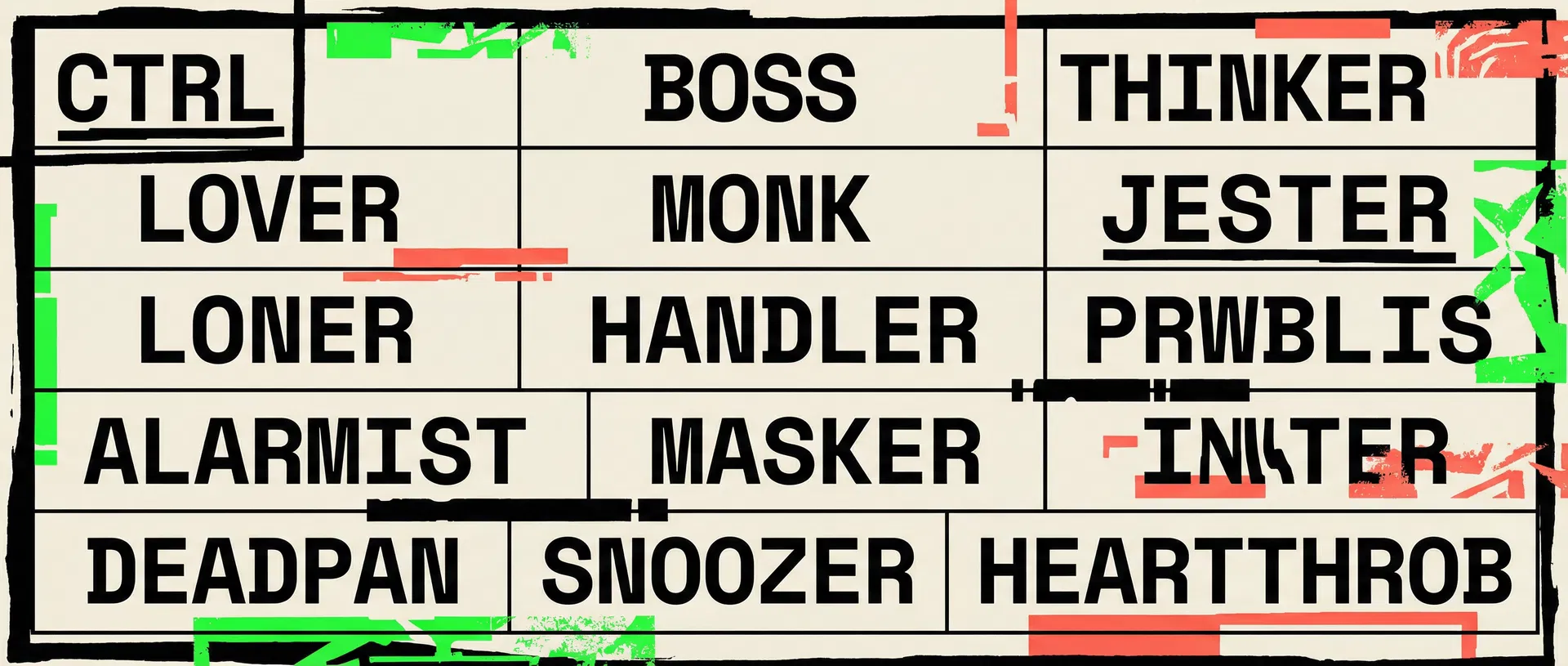
When attempting to map the MBTI ESFP to the SBTI framework, it's crucial to remember that SBTI focuses on observable behaviors rather than cognitive preferences. The ESFP's characteristic extroversion, spontaneity, and desire for engagement can manifest in various SBTI types, depending on the specific behavioral patterns. We will focus on four key SBTI types that frequently align with ESFP traits: SEXY, HHHH, GOGO, and FAKE.
SEXY: The Charismatic Performer
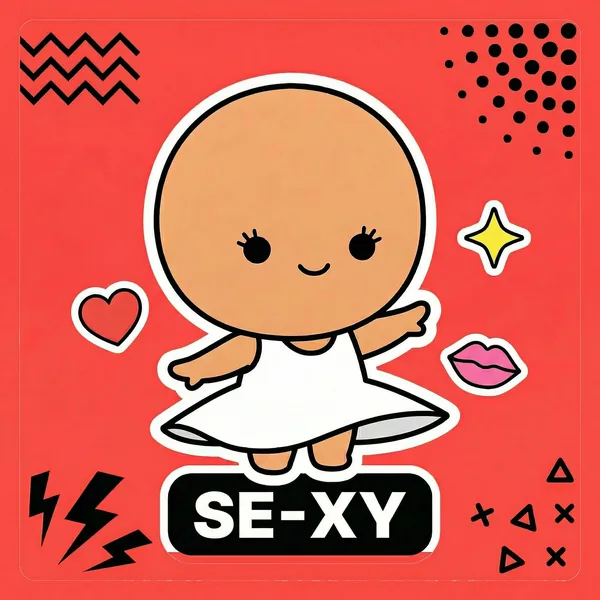
The SEXY type in SBTI is characterized by a strong desire to attract attention and admiration often through charm, charisma, and a focus on appearance. This aligns with the ESFP's natural inclination to be the center of attention and their appreciation for aesthetics. An ESFP who embodies the SEXY archetype might be the life of every party, effortlessly drawing others in with their magnetic personality and engaging presence. They are adept at using their social skills to create a vibrant atmosphere, often becoming the focal point of any social gathering. However, the SBTI perspective would question the authenticity of this charm, asking if it's a genuine expression of joy or a calculated performance to maintain their desired social standing. Is the ESFP truly enjoying the moment, or are they constantly monitoring reactions to ensure they remain the most captivating person in the room? This type might be particularly prone to seeking external validation, with their self-worth heavily tied to the admiration they receive. The pursuit of attention can sometimes overshadow deeper connections, leading to superficial relationships. For more on this dynamic, consider exploring the concept of narcissism.
HHHH: The Unfiltered Enthusiast
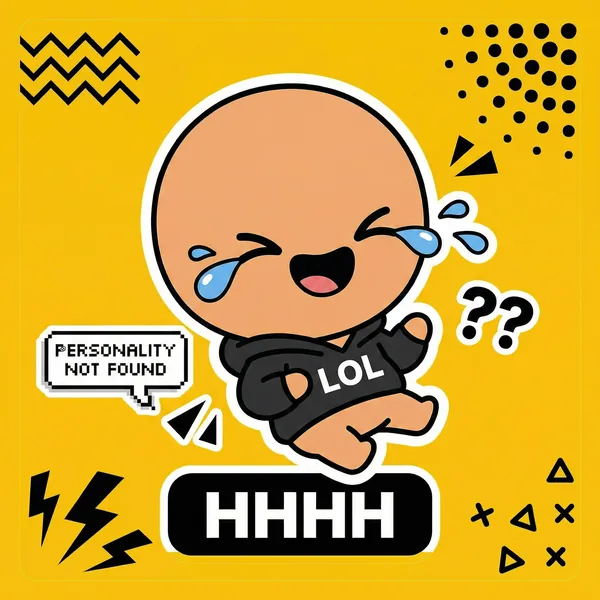
HHHH, or the "Laughing God," represents an individual who is overtly and often boisterously enthusiastic, finding humor and joy in nearly every situation. This aspect resonates with the ESFP's generally positive outlook and their ability to find fun in the mundane. An ESFP exhibiting HHHH traits would be the one constantly cracking jokes, laughing loudly, and spreading infectious good cheer. They are the ultimate optimists, capable of lifting spirits and deflecting negativity with their boundless energy. The SBTI lens, however, might scrutinize the depth of this perpetual cheerfulness. Is it a genuine reflection of an inner state, or a coping mechanism to avoid confronting difficult emotions? While their enthusiasm can be a powerful force for good, an unfiltered HHHH ESFP might sometimes come across as insensitive or dismissive of others' struggles, particularly if they struggle to empathize with less overtly positive emotional states. Their constant need for levity might also prevent them from engaging in serious discussions or acknowledging uncomfortable truths. The psychological concept of toxic positivity could offer further insight here.
GOGO: The Impulsive Doer
The GOGO type is characterized by a strong drive to act, often impulsively, and a preference for immediate gratification and tangible experiences. This aligns perfectly with the ESFP's spontaneous nature and their desire to engage with the world through action rather than contemplation. An ESFP embodying the GOGO archetype is a person of action, always ready to jump into new experiences, try new things, and embrace challenges head-on. They are the ones who suggest impromptu adventures, organize last-minute gatherings, and are rarely content with simply observing. The SBTI perspective would highlight the potential pitfalls of this impulsivity. While it can lead to exciting opportunities, it can also result in a lack of foresight, poor planning, and a tendency to abandon projects once the initial excitement wanes. The GOGO ESFP might struggle with long-term commitments or tasks that require sustained effort and patience, preferring the thrill of the new over the grind of the consistent. This behavioral pattern can sometimes lead to financial instability or strained relationships due to a perceived lack of reliability. The concept of impulsivity is central to understanding this type.
FAKE: The Performer Behind the Mask
Perhaps the most challenging SBTI type to reconcile with the idealized MBTI ESFP is FAKE. This type suggests a discrepancy between outward presentation and inner reality, implying a performance designed to elicit a specific reaction. While ESFPs are natural performers, the FAKE archetype implies a more deliberate and potentially inauthentic presentation. An ESFP exhibiting FAKE traits might meticulously craft their public persona, presenting an image of boundless energy and happiness even when experiencing internal turmoil. They might be highly attuned to social cues, adapting their behavior to fit expectations and maintain their popularity. The SBTI would question the true self beneath the performance. Is the ESFP genuinely happy, or are they constantly performing to avoid vulnerability or rejection? This can lead to a sense of emotional exhaustion and a feeling of being misunderstood, as their true feelings are rarely expressed. The pressure to maintain a perfect facade can be immense, leading to internal conflict and a struggle with authenticity. The psychological concept of impression management is highly relevant here.
The ESFP's Real Behavioral Patterns
Beyond the MBTI's gentle descriptions, the SBTI framework forces a more honest look at the ESFP's actual behaviors. While their energy and enthusiasm are undeniable, the SBTI suggests that these traits can be driven by a deeper need for external validation and a fear of boredom or irrelevance. An ESFP's constant need for stimulation and social interaction, when viewed through the SBTI lens, might not always be a sign of pure joy, but rather a way to avoid introspection or uncomfortable emotions. Their spontaneity, while often charming, can also manifest as a lack of planning or a tendency to shirk responsibility. The SBTI doesn't judge these behaviors but rather presents them as they are, without the softening language often found in traditional personality assessments. It highlights the potential for an ESFP to be highly adaptable and engaging, but also potentially superficial, impulsive, or even manipulative in their pursuit of attention and excitement. This unfiltered view encourages a more nuanced understanding of the ESFP, acknowledging both their strengths and their less glamorous tendencies. The concept of extroversion itself, when examined through a behavioral lens, reveals a spectrum of motivations.
The Darker Side of ESFP Energy
The boundless energy of an ESFP, often celebrated in MBTI descriptions, can have a darker side when viewed through the pragmatic lens of SBTI. This energy, when unchecked, can lead to a constant need for novelty and excitement, making them prone to boredom and restlessness. An ESFP might struggle with routine tasks or long-term projects, constantly seeking new stimuli to maintain their engagement. This can manifest as a lack of follow-through, leaving a trail of unfinished endeavors. Furthermore, their desire to be the center of attention, while often endearing, can sometimes cross into self-centeredness or a disregard for others' needs. The SBTI might label such an ESFP as a DRUNK (if their impulsivity leads to reckless behavior) or even a MALO (if their pursuit of excitement creates chaos for those around them). Their emotional expressiveness, while generally a positive trait, can also become overwhelming for more introverted or sensitive individuals, leading to emotional drama or conflict. The SBTI doesn't shy away from these less palatable aspects, offering a more complete, albeit less comforting, picture of the ESFP's behavioral landscape. Understanding the potential downsides of their energy is crucial for personal growth and healthier relationships. The psychological concept of hedonism can be a useful framework for understanding the motivations behind some of these behaviors.
SBTI's Unfiltered View of the Entertainer
The SBTI offers a stark contrast to the often-euphemistic language of MBTI when describing the ESFP. Instead of portraying the ESFP as a charming "Entertainer," SBTI delves into the raw, observable behaviors that define them. It strips away the romanticized notions and presents a more direct, sometimes harsh, reality. For instance, an ESFP's love for social gatherings might be reinterpreted not just as a desire for connection, but as a deep-seated need for external validation, a fear of being alone, or even a mechanism to avoid introspection. Their spontaneity, while often seen as refreshing, could be reframed as impulsivity that leads to poor decision-making or a lack of commitment. The SBTI doesn't sugarcoat these tendencies; instead, it uses labels like FAKE or GOGO to highlight the potential for inauthenticity or recklessness. It forces individuals to confront the less glamorous aspects of their personality, encouraging self-awareness through an unvarnished reflection of their actions. This approach, while potentially uncomfortable, aims to provide a more accurate and actionable understanding of one's behavioral patterns, moving beyond idealized self-perceptions. The emphasis is on what one does, not what one intends or prefers. This behavioral focus is a core tenet of behavioral psychology.
Frequently Asked Questions
Q1: How does SBTI's view of the ESFP differ from MBTI's?
MBTI tends to romanticize the ESFP as the life of the party, focusing on their positive traits like enthusiasm, spontaneity, and social charm. It often highlights their ability to bring joy and energy to any situation, presenting an idealized image. In contrast, SBTI offers a more direct and unfiltered perspective, examining observable behaviors without the softening language. While acknowledging the ESFP's vibrant nature, SBTI delves into the underlying motivations and potential downsides. For instance, their constant need for social interaction might be reinterpreted as a fear of boredom or a deep-seated need for external validation, rather than just a desire for connection. SBTI uses more blunt labels like FAKE or GOGO to describe behaviors that MBTI might gloss over, pushing for a more honest self-assessment based on actions rather than perceived intentions. This difference in approach aims to provide a more actionable understanding of one's behavioral patterns, encouraging individuals to confront less glamorous aspects of their personality for personal growth.
Q2: Can an ESFP be a FAKE in SBTI?
Yes, an ESFP can certainly align with the FAKE archetype in SBTI. While ESFPs are natural performers and enjoy being in the spotlight, the FAKE type specifically points to a discrepancy between their outward presentation and their inner reality. An ESFP exhibiting FAKE traits might meticulously cultivate a public persona of boundless energy and happiness, even when experiencing internal struggles or emotional turmoil. This behavior is often driven by a strong desire to maintain popularity, avoid vulnerability, or prevent rejection. They might be highly attuned to social cues, constantly adapting their behavior to meet expectations and ensure they remain well-liked. The SBTI perspective encourages questioning the authenticity of this performance: Is the ESFP genuinely happy, or are they constantly performing to avoid confronting their true feelings? This can lead to an emotional exhaustion and a sense of being misunderstood, as their true self is rarely revealed. The concept of impression management is highly relevant here, as it describes the conscious or unconscious effort to control the perceptions of others.
Q3: What does it mean for an ESFP to be a GOGO type?
For an ESFP to be a GOGO type in SBTI signifies a strong inclination towards impulsive action, a preference for immediate gratification, and a desire to engage with the world through direct experience rather than careful planning. This aligns with the ESFP's inherent spontaneity and their dislike for rigid structures. A GOGO ESFP is typically the first to suggest an impromptu adventure, dive into a new hobby, or organize a last-minute social gathering. They thrive on the thrill of the new and the excitement of immediate engagement. However, the SBTI perspective also highlights the potential downsides of this impulsivity. While it can lead to exciting experiences, it can also result in a lack of foresight, poor decision-making, and a tendency to abandon projects once the initial novelty wears off. This type might struggle with long-term commitments or tasks that require sustained effort and patience, often prioritizing immediate pleasure over future consequences. This behavioral pattern can sometimes lead to financial instability, unfulfilled obligations, or strained relationships due to a perceived lack of reliability. The core of the GOGO type is the drive to do, often without fully considering the repercussions.
Q4: How does the SBTI concept of HHHH relate to the ESFP?
The SBTI type HHHH, or the "Laughing God," resonates strongly with the generally positive and enthusiastic nature often attributed to the MBTI ESFP. An ESFP who embodies the HHHH archetype is characterized by an overt, often boisterous, enthusiasm and a remarkable ability to find humor and joy in almost any situation. They are the individuals who constantly crack jokes, laugh loudly, and radiate infectious good cheer, effectively lifting the spirits of those around them. They are natural optimists, adept at deflecting negativity with their boundless energy. However, the SBTI lens encourages a deeper examination of this perpetual cheerfulness. Is it a genuine reflection of an inner state of joy, or could it be a coping mechanism to avoid confronting difficult emotions or uncomfortable truths? While their enthusiasm can be a powerful force for good, an unfiltered HHHH ESFP might sometimes appear insensitive or dismissive of others' struggles, particularly if they find it challenging to empathize with less overtly positive emotional states. Their constant need for levity might also prevent them from engaging in serious discussions or acknowledging complex realities. The psychological concept of toxic positivity is particularly relevant here, suggesting that an excessive or inappropriate emphasis on positive thinking can sometimes be detrimental.
Q5: What are the potential negative aspects of an ESFP's energy according to SBTI?
According to SBTI, the celebrated boundless energy of an ESFP can indeed have a darker side when viewed through a pragmatic and unfiltered lens. This energy, if left unchecked or misdirected, can lead to a constant and insatiable need for novelty and excitement, making ESFPs particularly prone to boredom and restlessness. This can manifest as a struggle with routine tasks, a lack of commitment to long-term projects, and a tendency to abandon endeavors once the initial thrill subsides, leaving a trail of unfinished work. Furthermore, their inherent desire to be the center of attention, while often charming, can sometimes escalate into self-centeredness or a disregard for the needs and feelings of others. The SBTI might label such an ESFP as a DRUNK if their impulsivity leads to reckless or irresponsible behavior, or even a MALO if their relentless pursuit of excitement creates chaos and disruption for those in their immediate environment. Their emotional expressiveness, while generally a positive trait, can also become overwhelming for more introverted or sensitive individuals, potentially leading to unnecessary emotional drama or interpersonal conflict. The psychological concept of hedonism can provide a useful framework for understanding the motivations behind some of these behaviors, where the pursuit of pleasure and avoidance of pain become primary drivers, sometimes at the expense of other considerations.
References
The Goofball (HHHH) SBTI Personality Type: Embracing the Wonderfully Weird
Discover the HHHH "Goofball" SBTI personality type, a certificate of genuine originality for those too wonderfully weird to categorize.

The Mom Friend (MUM) SBTI Personality Type: The Unsung Healer
The MUM personality type embodies unparalleled emotional intuition and a profound drive to nurture, often at the cost of their own well-being, making them the silent anchors in any social circle.

BOSS (BOSS) SBTI Personality Type: The Natural Leader Who Takes the Wheel
Discover the BOSS SBTI personality type, the natural leader who takes charge, drives action, and commands respect with unshakeable confidence.